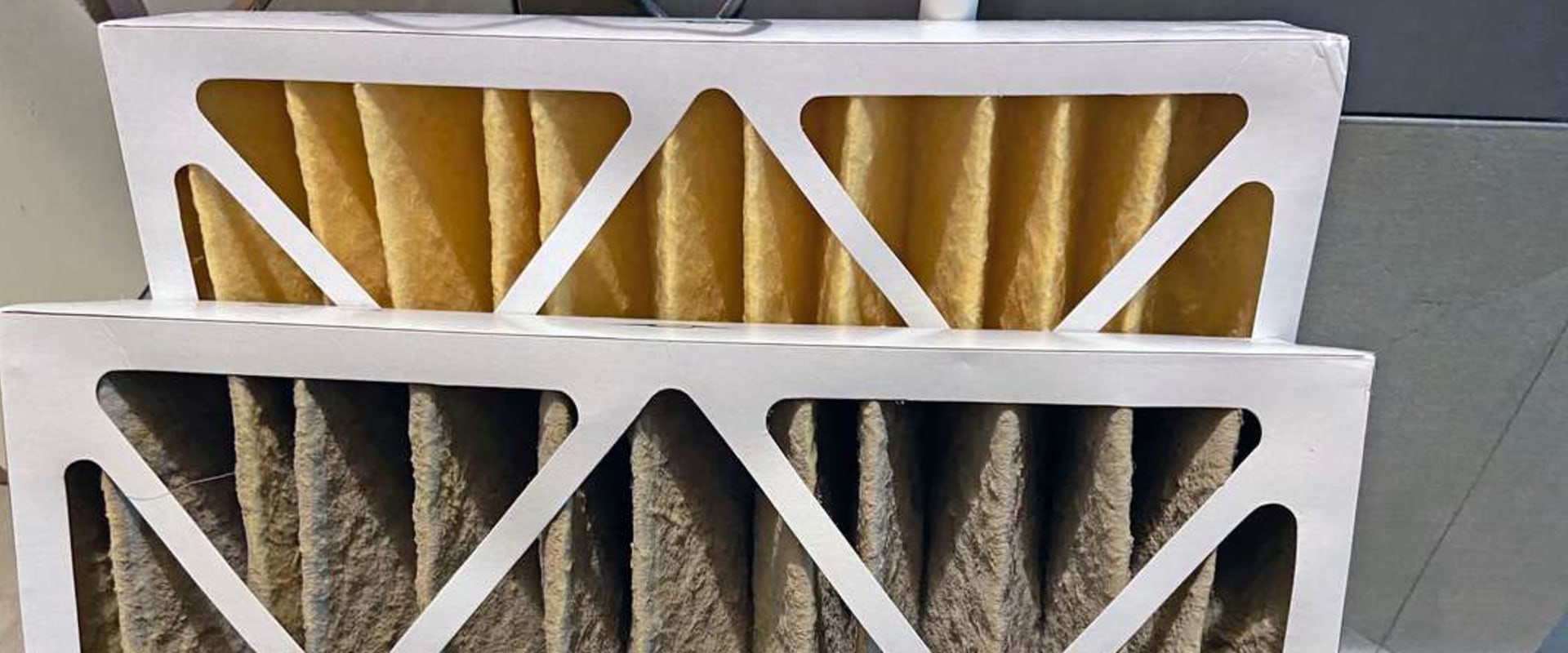
Indoor air quality (IAQ) is a critical aspect of our living environments that often goes unnoticed until health issues arise. The air we breathe indoors can be significantly more polluted than outdoor air, primarily due to the accumulation of dust, allergens, and other harmful particles. Understanding the importance of clean air is essential for maintaining not only comfort but also overall health and well-being. Poor indoor air quality can lead to a range of health problems, from minor irritations like headaches and fatigue to more severe conditions such as respiratory diseases and cardiovascular issues.Many factors contribute to indoor air quality, including ventilation, humidity levels, and the presence of pollutants.
Common sources of indoor air pollution include household cleaning products, mold, pet dander, and even the very materials used in our homes. As we spend a significant amount of time indoors—often up to 90%—the quality of the air we breathe can have profound effects on our physical and mental health. This makes it imperative to take proactive measures to ensure that our indoor environments are as clean and safe as possible.One of the most effective ways to improve indoor air quality is through the use of high-quality furnace filters. These filters play a vital role in trapping airborne particles and preventing them from circulating throughout your home.
By investing in the right furnace filters, you can significantly reduce allergens and pollutants in your living space, creating a healthier environment for you and your family. In the following sections, we will explore how different types of furnace filters work, their impact on indoor air quality, and why choosing the right filter is essential for maintaining clean air.
What Are Furnace Filters?
Furnace filters are essential components of heating, ventilation, and air conditioning (HVAC) systems. Their primary function is to trap dust, dirt, allergens, and other airborne particles before they can enter the furnace and circulate throughout your home. By doing so, they not only protect the furnace from damage but also contribute significantly to maintaining clean indoor air quality.Understanding the different types of furnace filters available is crucial for homeowners looking to improve their indoor air quality.Here are some common types:
- Fiberglass Filters: These are the most basic and affordable option. Made from layered fiberglass strands, they primarily capture larger particles like dust and lint. However, they are less effective at filtering out smaller allergens and pollutants.
- Pleated Filters: Constructed with a folded design that increases surface area, pleated filters can trap smaller particles more effectively than fiberglass filters. They are available in various MERV ratings, which indicate their efficiency in capturing different sizes of particles.
- HEPA Filters: High-Efficiency Particulate Air (HEPA) filters are designed to capture at least 99.97% of particles that are 0.3 microns in size.
These filters are ideal for individuals with allergies or respiratory issues, as they significantly improve indoor air quality.
- Washable Filters: These reusable filters can be cleaned and reinstalled, making them an eco-friendly option. However, they require regular maintenance to ensure they remain effective.
- Electrostatic Filters: Utilizing static electricity to attract and trap particles, these filters can be either disposable or washable. They offer a higher level of filtration compared to standard fiberglass options.
- Fiberglass: Lightweight and inexpensive but less effective at filtering small particles.
- Pleated Paper or Cotton: Offers better filtration capabilities due to increased surface area.
- Polyester: Durable and effective at trapping a wide range of particles.
Choosing the right filter not only protects your HVAC system but also ensures a healthier living environment.
The Importance of Quality Furnace Filters
When it comes to maintaining a healthy indoor environment, the importance of quality furnace filters cannot be overstated. These filters play a crucial role in ensuring that the air circulating throughout your home is clean and free from harmful contaminants. Investing in high-quality furnace filters is not just about protecting your HVAC system; it’s also about safeguarding your health and enhancing your overall quality of life.One of the primary benefits of good filters is their ability to trap a wide range of airborne particles. High-quality filters are designed to capture not only larger debris like dust and pet hair but also microscopic pollutants such as pollen, mold spores, and even bacteria. is their ability to trap a wide range of airborne particles. High-quality filters are designed to capture not only larger debris like dust and pet hair but also microscopic pollutants such as pollen, mold spores, and even bacteria.This is particularly important for individuals with allergies or respiratory conditions, as cleaner air can significantly reduce symptoms and improve comfort.Moreover, quality furnace filters contribute to better energy efficiency. When your filter is clogged with dirt and debris, your heating system has to work harder to push air through, leading to increased energy consumption and higher utility bills. By regularly replacing or cleaning your filters, you can help maintain optimal airflow, which in turn allows your furnace to operate more efficiently.Another significant aspect of using high-quality filters is their impact on indoor air quality (IAQ). Poor IAQ can lead to a variety of health issues, including headaches, fatigue, and respiratory problems.
By filtering out harmful particles, quality furnace filters help create a healthier living environment. This is especially vital in homes with pets or where smoking occurs, as these factors can contribute to elevated levels of indoor pollutants.In addition to health benefits, good furnace filters can also extend the lifespan of your HVAC system. A clean filter reduces strain on the system, minimizing wear and tear and potentially saving you from costly repairs or premature replacements. Therefore, choosing the right filter not only enhances air quality but also represents a wise investment in the longevity of your heating system.In conclusion, the importance of quality furnace filters extends beyond mere functionality; they are essential for maintaining clean indoor air, improving energy efficiency, and promoting overall well-being.
When searching for furnace filters near me, prioritize those that offer superior filtration capabilities to ensure that you are making a choice that benefits both your health and your home.
How Furnace Filters Affect Your HVAC System
The relationship between furnace filters and your HVAC system is crucial for maintaining both efficiency and longevity. A quality filter plays a significant role in how well your heating system operates, directly impacting energy consumption and the overall lifespan of the unit.When you use a high-quality furnace filter, it effectively captures a wide range of airborne particles, including dust, pollen, and pet dander. This filtration process not only improves indoor air quality but also ensures that your HVAC system does not have to work as hard to circulate air. When filters are clogged with debris, the system faces increased resistance, leading to higher energy consumption.In fact, studies have shown that a dirty filter can reduce the efficiency of your heating system by up to 15% or more.Moreover, when your HVAC system operates under strain due to a clogged filter, it can lead to premature wear and tear on critical components such as the blower motor and heat exchanger. This added stress can result in costly repairs or even complete system failure. By regularly replacing or cleaning your furnace filters, you can help ensure that your HVAC system runs smoothly and efficiently.Another important aspect to consider is the energy efficiency ratings of different filters. Filters with higher Minimum Efficiency Reporting Value (MERV) ratings are designed to trap smaller particles more effectively.
While these filters may be slightly more expensive upfront, they can save you money in the long run by reducing energy costs and extending the life of your HVAC system.In addition to energy savings, using quality furnace filters can also enhance the comfort level in your home. A well-maintained HVAC system will provide consistent heating throughout your living space, preventing cold spots and ensuring that every room is adequately warmed during the winter months.In summary, investing in high-quality furnace filters is not just about cleaner air; it’s about protecting your HVAC system and enhancing its performance. Regular maintenance of your filters will lead to improved energy efficiency, lower utility bills, and a longer lifespan for your heating equipment.
Choosing the Right Furnace Filter
Choosing the right furnace filter is crucial for maintaining clean indoor air and ensuring your heating system operates efficiently. With various options available, understanding how to select the appropriate filter can make a significant difference in your home's air quality.Understanding MERV Ratings
The Minimum Efficiency Reporting Value (MERV) rating is a key factor to consider when selecting a furnace filter.This rating, which ranges from 1 to 16, indicates the filter's ability to capture particles of different sizes. A higher MERV rating means better filtration capabilities. For instance:
- MERV 1-4: These filters are typically fiberglass and can capture larger particles like dust and lint but are not effective against smaller contaminants.
- MERV 5-8: These filters can trap smaller particles such as mold spores and pet dander, making them a better choice for households with pets or allergies.
- MERV 9-12: Filters in this range are more efficient at capturing finer particles, including smoke and smog, providing enhanced air quality.
- MERV 13-16: These high-efficiency filters are ideal for those with severe allergies or respiratory issues, as they can capture very small particles, including bacteria and viruses.
Finding the Right Filter Size
Another critical aspect of choosing a furnace filter is ensuring you have the correct size. An improperly sized filter can lead to air leaks, reduced efficiency, and increased wear on your heating system.To find the right size:
- Check the dimensions of your current filter. Most filters have their size printed on the frame.
- If you cannot find this information, consult your furnace's user manual or contact a professional for assistance.
- When measuring, ensure you account for both the width and height of the filter, as well as its thickness.
Common Misconceptions About Furnace Filters
When it comes to furnace filters, there are several misconceptions that can lead homeowners to make poor choices.Understanding these myths is crucial for maintaining a healthy indoor environment and ensuring your heating system operates efficiently.
Myth 1: All Filters Are Created Equal
One of the most prevalent misconceptions is that all furnace filters perform the same function. In reality, filters vary significantly in their construction and effectiveness. For instance, pleated filters are designed to capture smaller particles compared to standard fiberglass filters. This means that investing in a higher-quality filter can lead to better air quality and improved system performance.
Myth 2: Cheaper Filters Are Just as Good
Many homeowners believe that opting for cheaper filters will save them money without sacrificing air quality.
However, this is often not the case. While inexpensive filters may seem appealing, they typically lack the filtration capabilities necessary to trap smaller contaminants like pollen, mold spores, and pet dander. Over time, using low-quality filters can lead to increased wear and tear on your furnace, resulting in costly repairs.
Myth 3: You Only Need to Change Filters When They Look Dirty
Another common myth is that you should only replace your furnace filter when it appears dirty. In reality, filters can become clogged with particles long before they show visible signs of dirt.
Regularly checking and replacing your filter—ideally every 1-3 months—ensures optimal airflow and efficiency.
Myth 4: Higher MERV Ratings Are Always Better
While a higher MERV (Minimum Efficiency Reporting Value) rating indicates better filtration, it’s important to choose a filter that matches your furnace’s specifications. Some high-MERV filters can restrict airflow too much for certain systems, leading to inefficiency or even damage. Always consult your furnace’s manual or an HVAC professional when selecting a filter.
Myth 5: Washable Filters Are Maintenance-Free
Many people believe that washable filters are a hassle-free solution. However, while they can be reused, they still require regular cleaning and maintenance to function effectively.
Neglecting this upkeep can result in reduced air quality and increased strain on your heating system.By debunking these common myths about furnace filters, homeowners can make informed decisions that enhance their indoor air quality and prolong the life of their heating systems. Investing in the right filter not only protects your health but also contributes to the overall efficiency of your home’s HVAC system.
Maintenance Tips for Furnace Filters
Maintaining your furnace filters is essential for ensuring clean indoor air and the efficient operation of your heating system. Regular maintenance not only prolongs the life of your furnace but also enhances the quality of air circulating in your home. Here are some practical tips to help you keep your furnace filters in top condition.How Often Should You Change Your Filters?
The frequency of changing your furnace filters largely depends on several factors, including the type of filter you use, the presence of pets, and the overall air quality in your area.As a general guideline:
- Disposable Fiberglass Filters: These should be replaced every 30 days.
- Pleated Filters: Depending on usage, these can last anywhere from 3 to 6 months.
- Washable Filters: Clean these every 1 to 3 months, depending on dust levels and usage.
Cleaning Washable Filters
If you opt for washable filters, proper cleaning is crucial to maintain their effectiveness. Here’s a step-by-step guide:- Turn Off Your Furnace: Always ensure that your heating system is off before attempting to clean or replace any filters.
- Remove the Filter: Carefully take out the filter from its compartment, taking care not to disturb any dust that may have accumulated.
- Rinse with Water: Use lukewarm water to rinse off dust and debris. Avoid using any harsh chemicals that could damage the filter material.
- Dry Thoroughly: Allow the filter to dry completely before reinstalling it.
This step is vital to prevent moisture from entering your ducts, which can lead to mold growth.
Where to Buy Quality Furnace Filters Near You
Finding quality furnace filters is essential for maintaining clean indoor air and ensuring your HVAC system operates efficiently. If you're searching for furnace filters near me, there are several options available to you, both locally and online.Local HVAC Suppliers
One of the best places to start your search is at local HVAC suppliers. These businesses often carry a wide range of furnace filters, including high-efficiency options that may not be available at big-box retailers.Here are some tips for finding local suppliers:
- Check Online Directories: Use online maps or directories to locate HVAC suppliers in your area. Search terms like "HVAC supply store" or "furnace filters near me" can yield useful results.
- Visit Home Improvement Stores: Many home improvement chains have dedicated HVAC sections where you can find various types of furnace filters. Staff members can also provide recommendations based on your specific needs.
- Ask for Recommendations: Speak with friends, family, or neighbors who have experience with local suppliers. They may have insights into which stores offer the best products and customer service.
Online Filter Retailers
If you prefer the convenience of shopping from home, numerous online retailers specialize in HVAC products, including furnace filters.Here are some advantages of purchasing filters online:
- Customizable Quantities: Many online retailers allow you to customize the quantity of filters you purchase, ensuring you have the right amount on hand without overstocking.
- Wide Selection: Online stores often carry a broader range of brands and types of filters than local suppliers, making it easier to find the perfect fit for your furnace.
- Convenient Delivery: Ordering online means that your filters can be delivered directly to your door, saving you time and effort.
Frequently Asked Questions About Furnace Filters
When it comes to furnace filters, many homeowners have questions that can significantly impact their indoor air quality and the efficiency of their heating systems. Below are some of the most frequently asked questions regarding furnace filters.What is the purpose of a furnace filter?
A furnace filter serves multiple purposes:- Air Quality Improvement: It traps dust, pollen, pet dander, and other airborne particles, helping to maintain cleaner indoor air.
- System Protection: By preventing debris from entering the furnace, it protects the internal components from damage and wear.
- Energy Efficiency: A clean filter allows for better airflow, which can improve the efficiency of your heating system and reduce energy costs.
How often should I change my furnace filter?
The frequency of changing your furnace filter depends on several factors:- Type of Filter: Disposable filters typically need to be changed every 1-3 months, while washable filters can last longer if maintained properly.
- Household Factors: Homes with pets or high dust levels may require more frequent changes.
- Usage: If you use your heating system extensively during winter months, consider checking your filter monthly.
What is MERV rating and why is it important?
The MERV (Minimum Efficiency Reporting Value) rating measures a filter's ability to capture particles of different sizes.The higher the MERV rating, the more efficient the filter is at trapping smaller particles. For residential use, a MERV rating between 8 and 13 is generally recommended for optimal air quality without straining your HVAC system.
Can I use a higher MERV rated filter than recommended?
While using a higher MERV rated filter can improve air quality, it may also restrict airflow if your system isn't designed for it. This can lead to increased energy consumption and potential damage to your furnace. Always consult your HVAC professional before making changes to your filter type.What should I do if my furnace filter gets clogged?
If you notice that your furnace filter is clogged, it’s essential to replace it immediately.A clogged filter can restrict airflow, causing your system to work harder and potentially leading to overheating or breakdowns. Regular maintenance checks can help prevent this issue.By addressing these common questions about furnace filters, homeowners can make informed decisions that enhance their indoor air quality and ensure their heating systems operate efficiently.
Conclusion: The Key Takeaways on Furnace Filters and Indoor Air Quality
In summary, the significance of selecting high-quality furnace filters cannot be overstated when it comes to ensuring clean indoor air. Throughout this article, we have explored various aspects of furnace filters, emphasizing their role in maintaining a healthy living environment.First and foremost, it is essential to recognize that not all filters are created equal. While cheaper options may seem appealing due to their lower price point, they often fall short in effectively capturing harmful particles.Investing in a quality filter can significantly enhance your indoor air quality by trapping allergens, dust, and other pollutants that can adversely affect your health.Moreover, understanding the different types of filters available—such as pleated versus fiberglass—can help you make an informed decision. Pleated filters, for instance, offer superior filtration capabilities and can last longer than their cheaper counterparts. This longevity not only saves you money in the long run but also reduces the frequency of replacements, making maintenance easier.Another critical takeaway is the importance of regularly checking and replacing your furnace filter. A clogged or dirty filter can hinder airflow, putting unnecessary strain on your heating system and potentially leading to costly repairs.
By adhering to a regular maintenance schedule, you can ensure that your furnace operates efficiently while also promoting better air quality.Lastly, when searching for furnace filters near me, consider retailers that offer a variety of options tailored to your specific needs. Customizing your order allows you to select the right size and type of filter for your furnace, ensuring optimal performance.In conclusion, prioritizing quality furnace filters is a crucial step toward achieving clean indoor air. By making informed choices and committing to regular maintenance, you can create a healthier home environment for yourself and your loved ones.