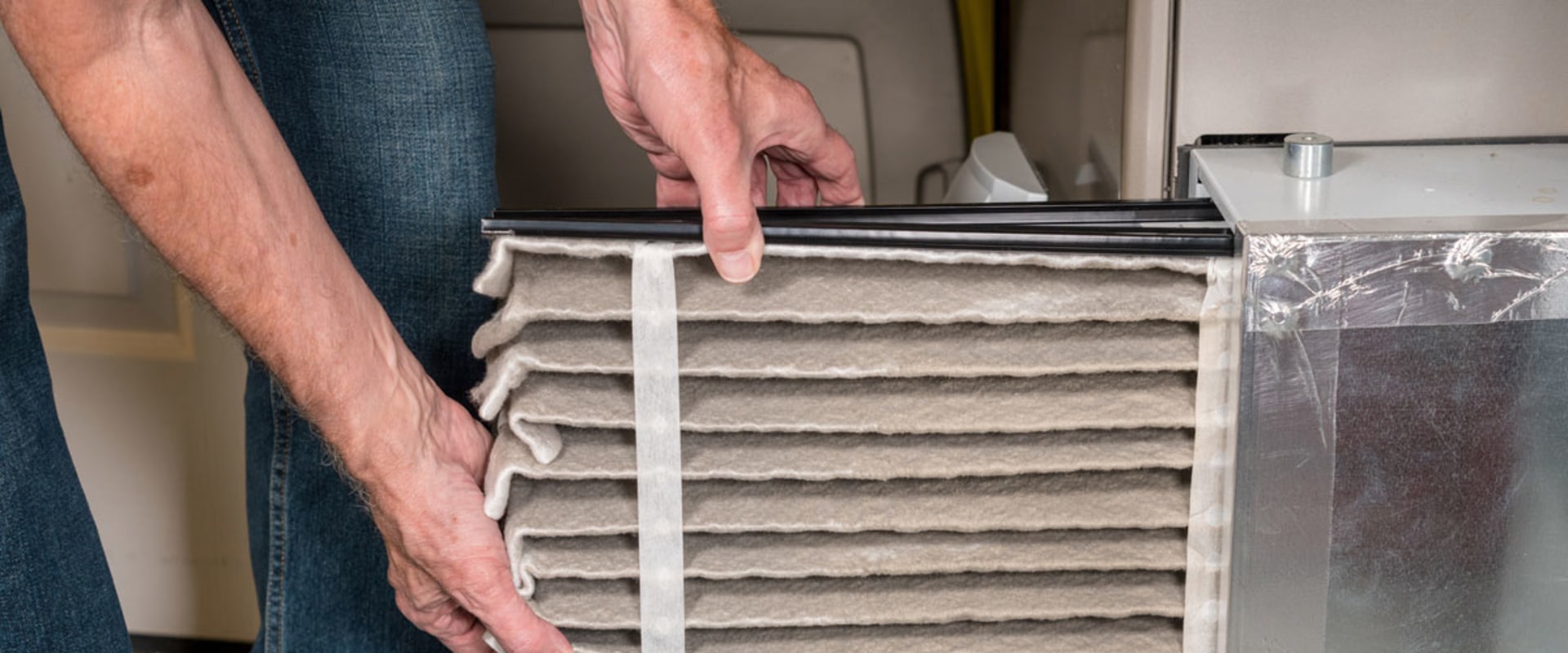
Furnace filters are a critical component of any heating, ventilation, and air conditioning (HVAC) system. They serve the essential function of trapping dust, allergens, and other particulates that can compromise indoor air quality. By filtering out these contaminants, furnace filters not only help maintain a clean living environment but also protect the HVAC system itself from damage and inefficiency. Understanding the role of furnace filters is vital for homeowners who want to ensure their systems operate effectively and their air remains healthy.There are several types of furnace filters available on the market, each designed to meet different needs and preferences.
The most common types include fiberglass filters, pleated filters, HEPA filters, and electrostatic filters. Fiberglass filters are typically the least expensive option but offer minimal filtration efficiency. In contrast, pleated filters provide a larger surface area for capturing particles and are more effective at improving air quality. HEPA filters , known for their high efficiency, can trap up to 99.97% of particles as small as 0.3 microns, making them ideal for allergy sufferers.
Lastly, electrostatic filters use static electricity to attract and capture particles, offering a reusable option that can save money in the long run.The importance of selecting the right furnace filter cannot be overstated. A high-quality filter not only enhances air quality but also contributes to the overall efficiency of your HVAC system. When a filter is clogged or ineffective, it forces the system to work harder to circulate air, leading to increased energy consumption and higher utility bills. Moreover, neglecting to change or upgrade your furnace filter regularly can result in costly repairs or even premature system failure.
Therefore, understanding your options and choosing the right furnace filter is crucial for maintaining both comfort and cost-effectiveness in your home.
Types of Furnace Filters
When it comes to maintaining a comfortable and healthy home environment, understanding the different types of furnace filters is crucial. Each type of filter serves a unique purpose and offers varying levels of filtration efficiency. Here’s a closer look at the most common options available:- Disposable Filters: These are the most commonly used filters in residential HVAC systems. Made from fiberglass or pleated paper, they are designed to capture larger particles like dust and lint.
Disposable filters are convenient as they can be easily replaced every 1-3 months, depending on usage and air quality.
- Washable Filters: Unlike disposable filters, washable filters can be cleaned and reused multiple times. Typically made from aluminum mesh or electrostatic materials, they are more environmentally friendly and can save homeowners money in the long run. However, they require regular maintenance to ensure optimal performance.
- HEPA Filters: High-Efficiency Particulate Air (HEPA) filters are known for their superior filtration capabilities. They can trap 99.97% of particles that are 0.3 microns or larger, making them ideal for households with allergy sufferers or pets.
While HEPA filters can be more expensive, their effectiveness in improving indoor air quality often justifies the cost.
- Electrostatic Filters: These filters use static electricity to attract and capture particles from the air. They can be either disposable or washable and are effective at trapping smaller particles compared to standard fiberglass filters. Electrostatic filters are a great option for those looking for enhanced filtration without the need for frequent replacements.
The higher the MERV rating, the more efficient the filter is at trapping smaller particles:
- MERV 1-4: Basic filtration suitable for larger particles; not recommended for allergy sufferers.
- MERV 5-8: Better filtration for dust and pollen; suitable for average households.
- MERV 9-12: Good filtration for smaller particles; ideal for homes with pets or allergies.
- MERV 13-16: High-efficiency filters that capture smoke, bacteria, and viruses; recommended for those with severe allergies or respiratory issues.
How to Choose the Right Furnace Filter
Choosing the right furnace filter is crucial for maintaining a healthy indoor environment and ensuring your HVAC system operates efficiently. Here are some key factors to consider when selecting a furnace filter:- Home Size: The size of your home plays a significant role in determining the type of filter you need. Larger homes may require filters with higher airflow capacity to effectively circulate air throughout the space.
Conversely, smaller homes might benefit from filters that focus more on filtration efficiency rather than airflow.
- Allergies and Health Concerns: If you or your family members suffer from allergies or respiratory issues, it’s essential to choose a filter that can capture smaller particles. Look for filters with a higher MERV (Minimum Efficiency Reporting Value) rating, typically between 8 and 13, which can trap dust, pollen, pet dander, and even some bacteria.
- HVAC System Compatibility: Not all filters are compatible with every HVAC system. Check your system’s specifications to ensure that the filter you choose fits properly and meets the manufacturer’s recommendations. Using an incompatible filter can lead to reduced efficiency or even damage to your system.
- Filter Type: There are several types of furnace filters available, including fiberglass, pleated, HEPA, and electrostatic filters.
Fiberglass filters are inexpensive but less effective at trapping small particles. Pleated filters offer better filtration and airflow. HEPA filters provide the highest level of filtration but may require modifications to your HVAC system due to their density.
- Maintenance and Replacement Frequency: Consider how often you are willing to change your filter. Some high-efficiency filters can last up to six months, while others may need replacement every month.
Regular maintenance is vital for optimal performance; neglecting to change your filter can lead to increased energy costs and potential system failures.
The Impact of Furnace Filters on Air Quality
Choosing the right furnace filter is crucial for maintaining optimal indoor air quality. A quality filter acts as a barrier, capturing dust, allergens, and various pollutants that can circulate in your home. This is particularly important for individuals with respiratory issues, allergies, or other health concerns.When you select a furnace filter that is designed to trap smaller particles, you significantly reduce the amount of airborne contaminants in your living space.Here are some key ways that effective furnace filters contribute to improved air quality:
- Dust and Allergens: High-efficiency filters can capture dust mites, pet dander, pollen, and mold spores. By reducing these allergens, you create a healthier environment for everyone in your home.
- Pollutants: Many filters are capable of trapping smoke particles and volatile organic compounds (VOCs) that can be emitted from household products. This helps to minimize the risk of respiratory irritation and other health issues.
- Odor Reduction: Some advanced filters come with activated carbon layers that absorb odors from cooking, pets, and other sources. This not only improves air quality but also enhances the overall comfort of your home.
Improved air quality can lead to:
- Better Respiratory Health: Cleaner air reduces the likelihood of asthma attacks and allergic reactions, making it easier for individuals with respiratory conditions to breathe comfortably.
- Enhanced Sleep Quality: Good air quality contributes to better sleep by reducing nighttime allergies and irritants that can disrupt rest.
- Increased Energy Levels: When your body isn’t working hard to filter out pollutants from the air you breathe, you may experience higher energy levels throughout the day.
Common Mistakes When Choosing Furnace Filters
When it comes to selecting furnace filters, many homeowners unknowingly make mistakes that can compromise their HVAC system's efficiency and air quality. Understanding these common errors can help you make informed decisions and ensure your home remains comfortable and healthy.- Choosing the Wrong MERV Rating: One of the most frequent mistakes is selecting a filter with an inappropriate MERV (Minimum Efficiency Reporting Value) rating. While higher MERV ratings indicate better filtration, they can also restrict airflow if your system isn't designed for them.
Always consult your HVAC professional to determine the optimal MERV rating for your furnace.
- Ignoring Size Specifications: Another common error is neglecting to check the size of the filter. Filters come in various dimensions, and using one that doesn't fit properly can lead to air leaks, reducing efficiency and allowing dust and allergens to circulate in your home. Always measure your existing filter or refer to your furnace's manual for the correct size.
- Overlooking Filter Type: Not all filters are created equal. Homeowners often overlook the differences between disposable, washable, and HEPA filters.
Each type has its own advantages and disadvantages. For instance, while HEPA filters provide superior filtration, they may not be compatible with all systems. Understanding the specific needs of your HVAC system is crucial.
- Neglecting Regular Replacement: Even the best filter will lose its effectiveness over time. A common mistake is failing to replace filters regularly.
Clogged filters can restrict airflow, forcing your furnace to work harder and increasing energy costs. Set a reminder to check and replace your filters every 1-3 months, depending on usage and filter type.
- Assuming All Filters Are Equal: Many homeowners believe that all furnace filters perform similarly, which is far from the truth. Filters vary significantly in terms of material, thickness, and filtration capabilities. Investing in a quality filter tailored to your specific needs can greatly enhance indoor air quality.
By being proactive and informed about your choices, you can ensure that you are getting the best possible filtration for your home.
Where to Find Furnace Filters Near Me
Finding the right furnace filters near me is essential for maintaining your HVAC system's efficiency and ensuring good air quality in your home. Fortunately, there are several avenues you can explore to locate local suppliers that offer a variety of furnace filters.1.Local HVAC Suppliers
- Start by searching for local HVAC suppliers in your area. These businesses often carry a wide range of furnace filters, including different sizes and MERV ratings. You can find them by searching online or checking local business directories.
- Many HVAC companies also provide installation services, so if you need assistance, they can help you choose the right filter for your system.
2.Home Improvement Stores
- Major home improvement retailers like Home Depot, Lowe's, and Menards typically have a dedicated section for furnace filters.
Here, you can find various brands and types of filters suitable for different heating systems.
- These stores often have knowledgeable staff who can assist you in selecting the right filter based on your specific needs.
3.Online Resources
- If you prefer shopping from the comfort of your home, numerous online platforms specialize in HVAC products. Websites like Amazon, FilterBuy, and even the websites of local HVAC suppliers often have extensive selections of furnace filters.
- When purchasing online, ensure that you check the dimensions and specifications to guarantee compatibility with your furnace.
4.Local Hardware Stores
- Your neighborhood hardware store may also stock furnace filters. While their selection might be more limited than larger retailers, they can be a convenient option for quick purchases.
- Additionally, supporting local businesses helps strengthen your community.
5.Recommendations and Reviews
- Don’t hesitate to ask friends, family, or neighbors where they purchase their furnace filters. Personal recommendations can lead you to reliable suppliers.
- Online reviews can also provide insights into the quality of products and customer service at various stores.
Maintaining Your Furnace Filter: Best Practices
Maintaining your furnace filter is crucial for ensuring the efficiency and longevity of your HVAC system.Regular maintenance not only improves air quality but also helps in reducing energy costs. Here are some best practices to follow:
- Check Filters Monthly: It’s advisable to inspect your furnace filters at least once a month. This allows you to gauge how quickly they accumulate dust and debris. If you notice significant buildup, it may be time to change them sooner than the recommended schedule.
- Change Filters Regularly: The frequency of changing your furnace filter largely depends on the type of filter you use and your home environment.
Generally, it’s recommended to replace standard fiberglass filters every 1-3 months. However, high-efficiency filters can last up to 6 months or longer. If you have pets or live in a dusty area, consider changing them more frequently.
- Clean Reusable Filters: If you opt for reusable filters, cleaning them is essential for maintaining airflow and efficiency. Rinse the filter under warm water and allow it to dry completely before reinserting it into the furnace.
This should be done every month or as needed based on usage.
- Keep Track of Filter Sizes: When searching for furnace filters near me, ensure you know the correct size for your system. Keeping a record of the dimensions will save you time and ensure you purchase the right filters.
- Consider Upgrading Filters: If you find yourself changing filters frequently, it might be worth investing in higher-quality filters that can trap smaller particles and allergens. HEPA filters, for instance, can significantly improve indoor air quality.
FAQs About Furnace Filters
When it comes to maintaining a comfortable and healthy home environment, understanding furnace filters is crucial.Here are some frequently asked questions that can help clarify common concerns and assist you in making informed decisions about furnace filters near me.
What is the purpose of a furnace filter?
A furnace filter serves several essential functions:- Air Quality Improvement: It traps dust, pollen, pet dander, and other airborne particles, improving the overall air quality in your home.
- System Protection: By filtering out debris, it prevents dirt and dust from entering the furnace, which can lead to costly repairs and reduced efficiency.
- Energy Efficiency: A clean filter allows for better airflow, which can enhance the efficiency of your heating system and lower energy bills.
How often should I change my furnace filter?
The frequency of changing your furnace filter depends on several factors:- Type of Filter: Some filters need to be replaced every month, while others can last up to three months or longer.
- Household Factors: If you have pets or live in a dusty area, you may need to change your filter more frequently.
- Usage: During peak heating or cooling seasons, consider checking your filter monthly.
What happens if I don’t change my furnace filter?
Neglecting to change your furnace filter can lead to several issues:- Poor Air Quality: Accumulated dust and allergens can circulate in your home, affecting health and comfort.
- Increased Energy Costs: A clogged filter forces your system to work harder, leading to higher energy bills.
- System Damage: Over time, neglecting the filter can cause strain on the furnace, potentially leading to breakdowns and costly repairs.
How do I choose the right furnace filter?
Selecting the appropriate furnace filter involves considering several factors:- MERV Rating: Look for filters with a Minimum Efficiency Reporting Value (MERV) rating that suits your needs. Higher ratings capture smaller particles but may restrict airflow if not compatible with your system.
- Filter Type: Options include fiberglass, pleated, HEPA, and electrostatic filters. Each has its advantages depending on your specific requirements.
- Size: Ensure you know the correct dimensions for your furnace filter. This information is typically found in your owner’s manual or on the existing filter itself.
Conclusion: The Importance of Choosing the Right Furnace Filter
In conclusion, the significance of selecting the right furnace filter cannot be overstated.A well-chosen filter not only enhances the efficiency of your HVAC system but also plays a crucial role in maintaining a healthy indoor environment. As we have explored throughout this article, the type and quality of furnace filters can directly impact air quality, energy consumption, and overall system performance.When searching for furnace filters near me, it is essential to consider several factors:
- Filter Type: Different types of filters, such as HEPA, pleated, and fiberglass, offer varying levels of filtration efficiency. Understanding these differences helps you choose a filter that meets your specific needs.
- MERV Rating: The Minimum Efficiency Reporting Value (MERV) rating indicates how effectively a filter captures airborne particles. Higher MERV ratings generally mean better filtration but may also restrict airflow if not compatible with your system.
- Size and Fit: Ensuring that the filter fits properly in your furnace is critical.
An ill-fitting filter can allow unfiltered air to bypass the filtration system, negating its benefits.
- Replacement Frequency: Regularly replacing your furnace filter is vital for optimal performance. Depending on usage and filter type, this could range from every month to every six months.