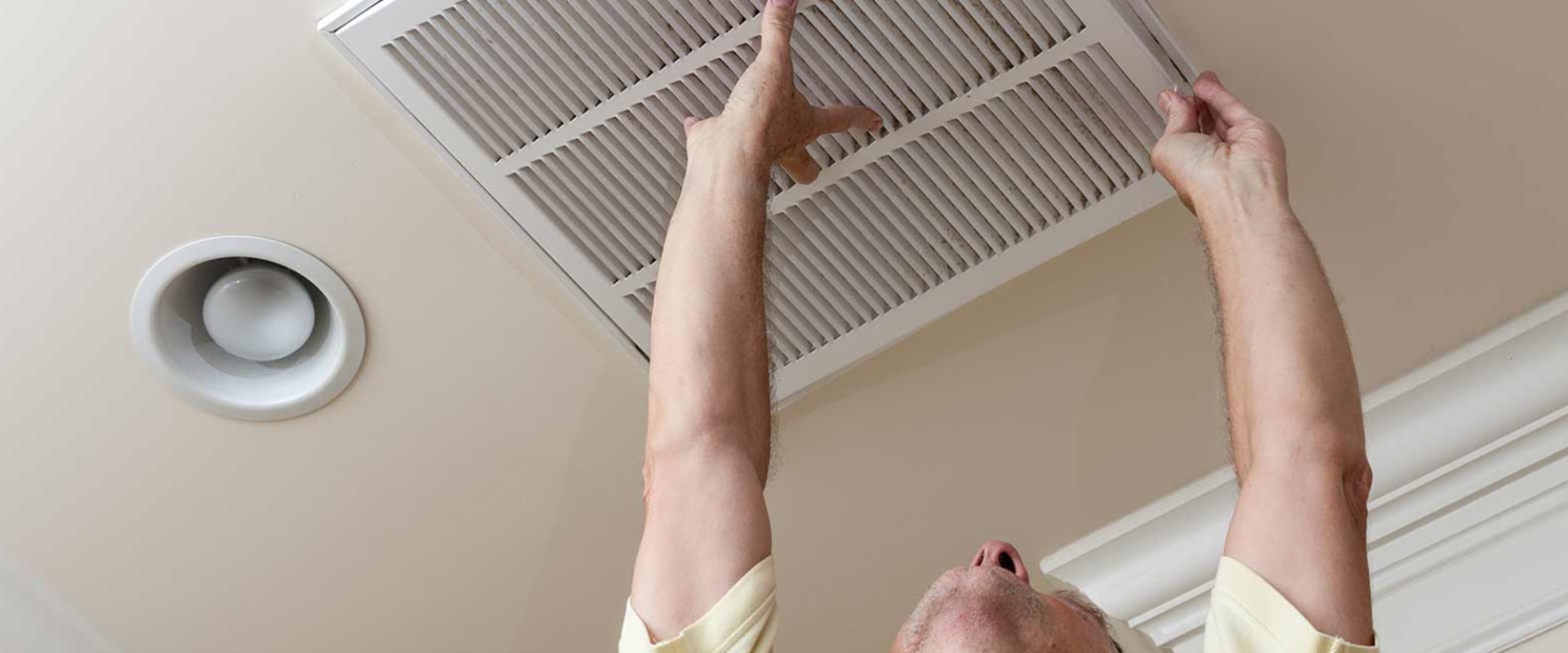
Furnace filters are a crucial component of your home’s heating and cooling system, serving as the first line of defense against airborne contaminants. These filters are designed to trap dust, pollen, pet dander, and other particles that can compromise indoor air quality. By effectively removing these pollutants from the air circulating through your HVAC system, furnace filters not only help maintain a cleaner living environment but also enhance the efficiency and longevity of your heating and cooling equipment.There are several types of furnace filters available on the market, each with its own unique features and benefits. The most common types include fiberglass filters, pleated filters, HEPA filters, and electrostatic filters.
Fiberglass filters are typically the least expensive option but offer minimal filtration efficiency. In contrast, pleated filters provide better filtration due to their larger surface area and higher MERV ratings. HEPA filters , known for their exceptional ability to capture tiny particles, are ideal for those with allergies or respiratory issues. Lastly, electrostatic filters use static electricity to attract and trap particles, making them a popular choice for homeowners seeking a reusable option.The importance of selecting the right furnace filter cannot be overstated.
A high-quality filter can significantly improve indoor air quality by reducing allergens and irritants in the air you breathe. Additionally, a clean filter allows for optimal airflow within your HVAC system, which can lead to lower energy bills and reduced wear on your equipment. Neglecting to replace or choose an appropriate filter can result in increased dust accumulation in your home and potential damage to your heating and cooling systems. Therefore, understanding the various types of furnace filters and their roles is essential for maintaining a healthy and efficient home environment.
Types of Furnace Filters
When it comes to selecting the right furnace filter, understanding the different types available is crucial.Each type of filter has its own unique characteristics, advantages, and disadvantages. Here’s a closer look at the most common types of furnace filters you’ll encounter.
Disposable Filters
Disposable filters are the most widely used type of furnace filter. They are designed for one-time use and need to be replaced regularly, typically every 1 to 3 months depending on usage and air quality. These filters come in various MERV ratings, which determine their efficiency in trapping particles.- Advantages: Easy to install and replace, affordable, and widely available.
- Disadvantages: Contributes to waste and requires regular purchases.
Washable Filters
Washable filters are a more eco-friendly option as they can be cleaned and reused multiple times.These filters are typically made from materials like aluminum or synthetic fibers and can last several years with proper maintenance.
- Advantages: Cost-effective in the long run, reduces waste, and often has a higher MERV rating.
- Disadvantages: Requires regular cleaning, which can be time-consuming, and may not trap as many particles as disposable options if not maintained properly.
HEPA Filters
High-Efficiency Particulate Air (HEPA) filters are known for their superior filtration capabilities. They can capture at least 99.97% of particles that are 0.3 microns in size, making them an excellent choice for those with allergies or respiratory issues.- Advantages: Exceptional air quality improvement, ideal for allergy sufferers, and highly effective at trapping small particles.
- Disadvantages: More expensive than standard filters and may require modifications to your HVAC system due to their thickness.
MERV Ratings Explained
The Minimum Efficiency Reporting Value (MERV) rating is a critical factor when choosing a furnace filter. It ranges from 1 to 16, with higher numbers indicating better filtration capabilities. For example:- MERV 1-4: Basic filtration for large particles; suitable for residential use in areas with minimal dust.
- MERV 5-8: Better at capturing smaller particles like mold spores and pet dander; ideal for homes with pets or allergies.
- MERV 9-12: High-efficiency filters that trap even finer particles; recommended for households with significant air quality concerns.
- MERV 13-16: HEPA-like performance; best for those needing maximum filtration due to health issues or environmental factors.
MERV Ratings Explained
When it comes to selecting the right furnace filter, understanding MERV ratings is crucial.MERV stands for Minimum Efficiency Reporting Value, and it serves as a standardized measure of a filter's ability to capture particles of varying sizes. The MERV scale ranges from 1 to 16, with higher numbers indicating a greater ability to trap smaller particles.
What is a MERV Rating?
A MERV rating is determined through a series of tests that measure how effectively a filter can remove particles from the air. These particles can include dust, pollen, pet dander, mold spores, and even smoke. The higher the MERV rating, the more efficient the filter is at capturing these contaminants.For instance:
- MERV 1-4: These filters are typically used in residential settings and can capture larger particles like dust and lint but are less effective against smaller allergens.
- MERV 5-8: Filters in this range are better suited for homes with pets or allergy sufferers, as they can trap smaller particles such as mold spores and pet dander.
- MERV 9-12: These filters are ideal for households that require higher air quality, effectively capturing even finer particles like smoke and smog.
- MERV 13-16: Filters with these ratings are often used in hospitals and commercial buildings where air quality is paramount.
They can capture very small particles, including bacteria and viruses.
- Allergies and Health Concerns: If you or your family members suffer from allergies or respiratory issues, opting for a filter with a MERV rating of at least 8 is advisable.
- Home Environment: Homes with pets or high levels of dust may benefit from filters rated between MERV 9-12 to ensure cleaner air.
- HVAC System Compatibility: It's essential to check your HVAC system's specifications before selecting a filter with a high MERV rating. Some systems may struggle with airflow if the filter is too dense.
Factors to Consider When Choosing a Furnace Filter
When it comes to choosing a furnace filter, several critical factors can influence your decision. Understanding these elements will help you select a filter that not only fits your HVAC system but also meets your household's specific needs.Air Flow Restriction
One of the primary considerations is the air flow restriction caused by the filter.Filters with higher MERV ratings tend to trap more particles, but they can also restrict air flow. This restriction can lead to increased energy consumption and strain on your HVAC system. To find a balance, look for filters that provide adequate filtration without significantly impeding air flow. A good rule of thumb is to choose a filter with a MERV rating between 8 and 11 for most residential applications, as these typically offer a good compromise between filtration efficiency and air flow.
Filter Lifespan
The lifespan of your furnace filter is another essential factor to consider.Most filters need to be replaced every 1 to 3 months, but this can vary based on several factors:
- Type of Filter: Some high-efficiency filters can last up to 12 months, while standard fiberglass filters may need monthly changes.
- Household Conditions: If you have pets or live in an area with high pollen counts, you may need to replace your filter more frequently.
- Usage Patterns: During peak heating or cooling seasons, filters may clog faster due to increased air flow.
Specific Household Needs
Your household's unique requirements should also guide your choice of furnace filter. For instance, if anyone in your home suffers from allergies or asthma, consider filters with higher MERV ratings that can capture smaller particles like pollen, pet dander, and dust mites. Additionally, if you have pets, look for filters designed specifically for pet owners, as they often have enhanced capabilities for trapping pet hair and odors.In summary, when selecting a furnace filter, take into account air flow restriction, filter lifespan, and the specific needs of your household. By carefully evaluating these factors, you can ensure that you choose a filter that not only protects your HVAC system but also contributes to a healthier living environment.Where to Buy Furnace Filters Near Me
When it comes to purchasing furnace filters near me, there are several avenues you can explore to ensure you find the right product at a competitive price.Whether you prefer shopping locally or online, understanding your options will help you make an informed decision.
Local HVAC Suppliers
- One of the best places to start is with local HVAC suppliers. These businesses often carry a wide range of furnace filters, including various MERV ratings and sizes. By visiting a local supplier, you can also receive personalized advice from knowledgeable staff who can help you choose the right filter for your specific needs.
- To find local HVAC suppliers, consider searching online with terms like "buy furnace filters near me" or "HVAC suppliers in [your city]." This will yield a list of nearby stores where you can physically inspect the products before making a purchase.
- Don’t forget to check if these suppliers offer any loyalty programs or discounts for bulk purchases, which can save you money in the long run.
Home Improvement Stores
- Major home improvement chains such as Home Depot or Lowe's typically have a dedicated section for furnace filters. These stores often stock popular brands and sizes, making it easy to find what you need.
- Additionally, these retailers frequently run sales or promotions, so keep an eye out for discounts that can help lower your costs.
Online Options for Furnace Filters
- If you prefer the convenience of shopping from home, numerous online retailers offer a vast selection of furnace filters.
Websites like Amazon, Filterbuy, and even manufacturer websites allow you to compare prices and read customer reviews before making a purchase.
- When shopping online, be sure to check shipping costs and delivery times. Some retailers offer free shipping on orders over a certain amount, which can be beneficial if you're stocking up on multiple filters.
- Another advantage of online shopping is the ability to subscribe for regular deliveries. Many sites allow you to set up automatic shipments for your furnace filters, ensuring that you never forget to replace them.
Comparing Prices and Quality
No matter where you choose to buy your furnace filters, it's essential to compare prices and quality. Look for filters that meet your specific needs without compromising on effectiveness.
Reading customer reviews can provide insight into the performance and durability of different brands.By exploring both local and online options for purchasing furnace filters near me, you can ensure that you're getting the best value for your money while maintaining optimal air quality in your home.
Installation Tips for Furnace Filters
Installing a furnace filter correctly is crucial for maintaining optimal air quality and ensuring your HVAC system operates efficiently. Here are some practical tips to guide you through the installation process.Step-by-Step Installation Guide
- Turn Off Your HVAC System: Before you begin, always turn off your heating or cooling system. This prevents any debris from being blown into your home and ensures safety while you work.
- Locate the Filter Compartment: Identify where your furnace filter is housed. This is typically found near the air handler or in the return air duct.
Refer to your HVAC system’s manual if you’re unsure.
- Remove the Old Filter: Carefully slide out the old filter. Be cautious, as it may be covered in dust and allergens. Dispose of it properly.
- Check the Size: Before inserting a new filter, double-check its size. Filters come in various dimensions, and using the wrong size can lead to air leaks and reduced efficiency.
- Install the New Filter: When placing the new filter, pay attention to the arrows on its frame that indicate the direction of airflow.
The arrows should point towards the furnace or blower unit. Installing it backward can significantly reduce its effectiveness.
- Secure the Filter Compartment: Once the new filter is in place, ensure that any access panels or covers are securely fastened before turning your HVAC system back on.
Avoiding Common Installation Mistakes
Even with clear instructions, mistakes can happen during installation. Here are some common pitfalls to avoid:- Ignoring Airflow Direction: One of the most frequent errors is installing the filter backward. Always check for airflow arrows to ensure proper installation.
- Using an Incorrect Size: A filter that is too small will allow unfiltered air to bypass it, while one that is too large may not fit properly.
Always verify dimensions before purchasing.
- Neglecting Regular Maintenance: After installation, set a reminder to check and replace your filter regularly based on its type and MERV rating. Neglecting this can lead to decreased efficiency and increased energy costs.
Maintenance and Replacement Schedule
Understanding how often to replace your furnace filter is crucial for maintaining optimal air quality and ensuring the efficiency of your HVAC system. The frequency of replacement can vary based on several factors, including the type of filter you use, your home environment, and your specific usage patterns.General Replacement Guidelines
- Standard Fiberglass Filters: These should typically be replaced every 30 days. They are less effective at trapping smaller particles but are cost-effective for basic filtration.
- Pleated Filters: With a MERV rating of 8 to 11, these filters can last anywhere from 3 to 6 months, depending on usage and air quality.
- High-Efficiency Filters: Filters with a MERV rating of 12 or higher can last up to 12 months.
However, they may need more frequent changes in homes with pets or high dust levels.
Factors Influencing Replacement Frequency
Your specific circumstances can significantly impact how often you should change your furnace filter:
- Pets: If you have pets, their dander and hair can clog filters quickly. In such cases, consider replacing your filter every 1 to 3 months.
- Allergies: If anyone in your household suffers from allergies, more frequent changes (every month) may be necessary to maintain good air quality.
- Location: Homes in dusty areas or near construction sites may require more frequent filter changes due to higher levels of airborne particles.
- Seasonal Changes: During peak heating or cooling seasons, filters may need to be changed more often due to increased usage.
Signs Your Filter Needs Replacement
Being aware of the signs that indicate a dirty or clogged filter can help you avoid potential issues:
- Reduced Airflow: If you notice that your HVAC system is struggling to push air through the vents, it may be time to check and replace the filter.
- Increased Energy Bills: A dirty filter forces your system to work harder, leading to higher energy costs. If you see a spike in your bills, inspect the filter.
- Visible Dirt and Dust: If you can see dust accumulating on the filter itself, it’s a clear sign that it needs replacing.
- Mold Growth: If you spot mold on the filter or around the HVAC system, it’s essential to replace the filter immediately and address any moisture issues.
Maintenance Tips for Furnace Filters
To ensure your furnace filters perform optimally, consider these maintenance tips:
- Regular Inspections: Check your filters monthly, especially during heavy usage seasons. This will help you stay ahead of any potential issues.
- Cleaning Non-Disposable Filters: If you use washable filters, clean them according to the manufacturer’s instructions to maintain their effectiveness.
- Create a Schedule: Set reminders on your calendar for when it’s time to check or replace your filters.
This will help you stay consistent with maintenance.
Eco-Friendly Furnace Filter Options
As the world becomes increasingly aware of environmental issues, many homeowners are seeking eco-friendly furnace filters that not only improve indoor air quality but also contribute to sustainability. Choosing a filter made from recycled materials or designed to minimize waste can significantly reduce your carbon footprint while maintaining effective air filtration.One of the leading brands in this space is Filterbuy. Their furnace filters are crafted from recycled materials, making them a great choice for environmentally conscious consumers. These filters are designed to capture a wide range of airborne particles, including dust, pollen, and pet dander, while being gentle on the planet.Another noteworthy option is Nordic Pure , which offers a variety of green air filters.Their products are made with sustainable materials and feature a MERV rating that ensures high efficiency in trapping pollutants. Nordic Pure’s commitment to sustainability extends beyond their products; they also focus on eco-friendly packaging and manufacturing processes.For those looking for a more innovative solution, consider 3M Filtrete. While they are known for their high-performance filters, they also offer options that prioritize environmental responsibility. Their filters are designed to last longer than standard options, reducing the frequency of replacements and thus minimizing waste.When selecting an eco-friendly furnace filter, it’s essential to look for certifications such as Energy Star or Green Seal.
These certifications indicate that the product meets specific environmental standards and is manufactured with sustainability in mind.In addition to choosing the right filter, consider implementing other sustainable HVAC solutions in your home. Regular maintenance of your heating system can enhance its efficiency and longevity, further reducing your environmental impact. Simple actions like sealing ductwork and ensuring proper insulation can also contribute to a greener home.Ultimately, opting for eco-friendly furnace filters is not just about improving air quality; it’s about making a conscious choice to protect our planet. By selecting brands that prioritize sustainability and efficiency, you can enjoy cleaner air while supporting environmentally responsible practices.
Common Myths About Furnace Filters
When it comes to furnace filters, there are numerous myths and misconceptions that can lead homeowners astray.Understanding the truth behind these myths is essential for maintaining a healthy indoor environment and ensuring your HVAC system operates efficiently. Here are some of the most common myths about furnace filters:
- Myth 1: All Filters Are the Same
Many people believe that all furnace filters perform equally. In reality, filters vary significantly in terms of efficiency, material, and MERV ratings. A higher MERV rating indicates better filtration capabilities, which can be crucial for those with allergies or respiratory issues. - Myth 2: Changing Filters Is Optional
Some homeowners think that changing their furnace filter is not a priority.This is a dangerous misconception. A clogged filter can restrict airflow, leading to increased energy costs and potential damage to your HVAC system. Regularly replacing your filter is essential for optimal performance.
- Myth 3: Higher MERV Ratings Are Always Better
While a higher MERV rating means better filtration, it can also restrict airflow if your system isn’t designed for it. It’s important to choose a filter that balances filtration efficiency with airflow needs specific to your furnace model. - Myth 4: You Only Need to Change Your Filter Once a Year
The frequency of filter changes depends on various factors, including the type of filter, household size, and air quality.In general, it’s advisable to check your filter monthly and replace it every three months or sooner if it appears dirty.
- Myth 5: Washable Filters Are Maintenance-Free
While washable filters can be reused, they still require regular cleaning and maintenance. Over time, they may not capture particles as effectively as disposable filters, leading to decreased air quality.
Conclusion: Making an Informed Choice for Your Home's Air Quality
In conclusion, selecting the right furnace filter is a critical step in ensuring optimal indoor air quality and maintaining the efficiency of your HVAC system. Throughout this guide, we have explored various aspects of furnace filters, from understanding MERV ratings to recognizing the importance of proper installation and regular maintenance.Choosing a filter that suits your specific needs can significantly impact your home environment.For instance, if you or your family members suffer from allergies, opting for a filter with a higher MERV rating can help capture smaller particles such as pollen, pet dander, and dust mites. On the other hand, if you prioritize airflow and energy efficiency, a filter with a lower MERV rating may be more appropriate.Moreover, it’s essential to consider the frequency of filter replacement. Regularly changing your furnace filter not only enhances air quality but also prolongs the life of your HVAC system. As a general rule, check your filter every month and replace it at least every three months, or more frequently if you have pets or live in an area with high levels of dust.When searching for furnace filters near me, take advantage of local hardware stores or online retailers that offer a variety of options tailored to your specific requirements.
Don’t hesitate to consult with HVAC professionals who can provide personalized recommendations based on your home’s unique characteristics.Ultimately, making an informed choice about your furnace filter is not just about immediate comfort; it’s an investment in your health and well-being. By prioritizing air quality and system efficiency, you can create a healthier living environment for you and your loved ones.Remember, the right furnace filter is out there waiting for you—take the time to find it!.