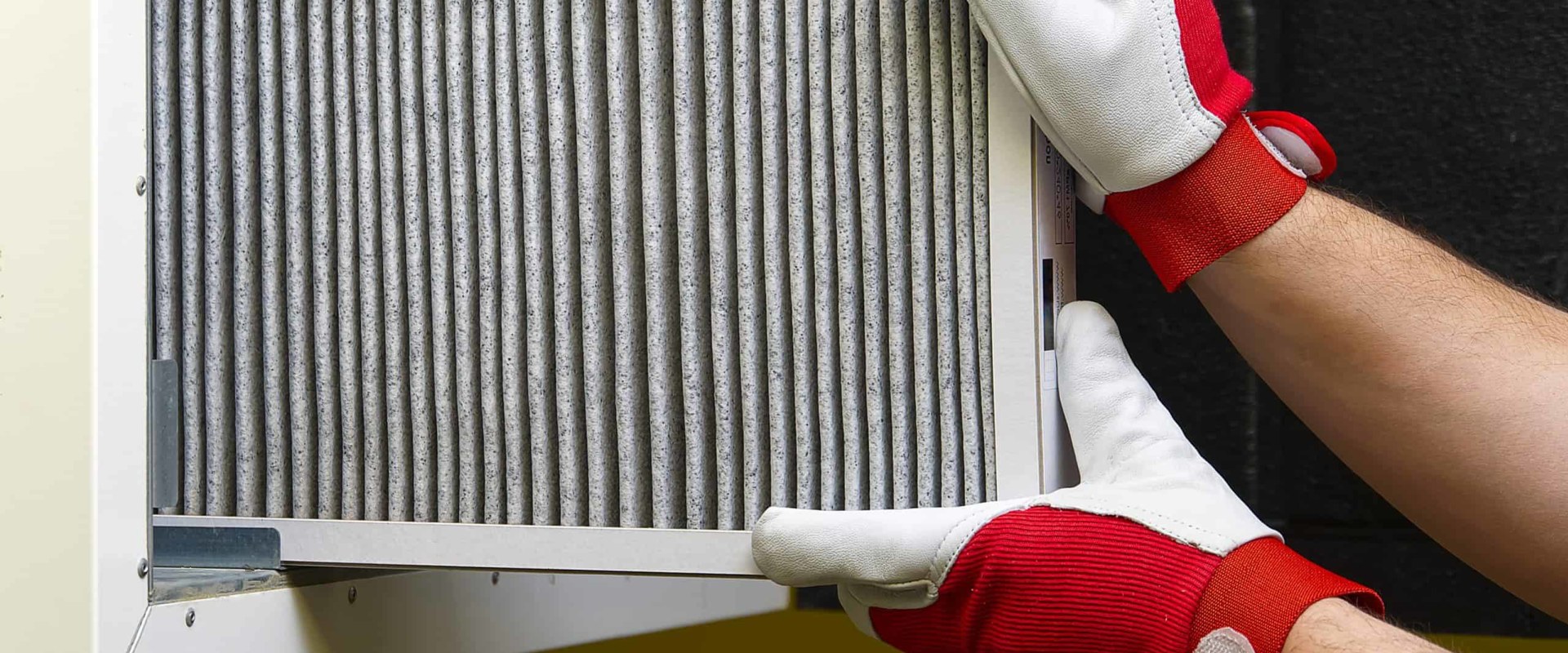
Air filters are often overlooked components of HVAC systems, yet they play a pivotal role in ensuring both air quality and system efficiency. These filters act as the first line of defense against airborne pollutants, capturing dust, allergens, and other particulates that can compromise the health of your indoor environment. When functioning optimally, air filters not only improve the quality of the air you breathe but also enhance the overall performance of your heating and cooling systems.Understanding the importance of air filters begins with recognizing their impact on HVAC system maintenance. A clean air filter allows for unrestricted airflow, enabling your HVAC system to operate at peak efficiency.
Conversely, a clogged or dirty filter can lead to a host of problems, including increased energy consumption and unnecessary wear and tear on the system. This inefficiency not only raises your utility bills but can also shorten the lifespan of your HVAC equipment, leading to costly repairs or replacements.Moreover, the quality of indoor air is directly linked to the effectiveness of your air filters. Poor air quality can exacerbate allergies, asthma, and other respiratory issues, making it essential to prioritize regular filter changes. By maintaining clean filters, you create a healthier living space for you and your family while also ensuring that your HVAC system runs smoothly.
In essence, understanding the role of air filters is crucial for anyone looking to maintain a comfortable and healthy home environment.
Why Regularly Changing Your Air Filter Matters
Regularly changing your air filter is not just a routine task; it is a vital component of maintaining a healthy and efficient home environment. The benefits of this simple action extend far beyond just keeping your HVAC system running smoothly.Health Implications
One of the most significant advantages of changing your air filter regularly is the improvement in indoor air quality. A clean air filter effectively traps dust, pollen, pet dander, and other allergens that can exacerbate respiratory issues and allergies. When filters are clogged, these pollutants can circulate freely in your home, leading to:- Increased Allergies: Individuals with allergies or asthma may experience heightened symptoms due to poor air quality.
- Respiratory Issues: Prolonged exposure to airborne contaminants can lead to chronic respiratory problems.
- Overall Health Risks: Poor air quality has been linked to various health issues, including headaches, fatigue, and even cardiovascular problems.
Energy Efficiency
Another critical reason for regularly changing your air filter is the impact on energy efficiency.A dirty or clogged filter forces your HVAC system to work harder to maintain the desired temperature. This increased workload can lead to:
- Higher Energy Bills: An inefficient system consumes more energy, resulting in elevated utility costs.
- Increased Wear and Tear: The extra strain on your HVAC components can lead to more frequent repairs and replacements.
Prolonged HVAC System Lifespan
A well-maintained HVAC system is essential for long-term performance. Regularly changing your air filter helps ensure that your system operates efficiently, which can significantly extend its lifespan. By preventing unnecessary strain on the system, you can avoid costly breakdowns and repairs.In fact, many manufacturers recommend regular filter changes as part of their warranty requirements.In summary, the importance of regularly changing your air filter cannot be overstated. From enhancing health outcomes by improving indoor air quality to boosting energy efficiency and prolonging the life of your HVAC system, this simple maintenance task offers substantial benefits that contribute to a healthier home environment.
Recommended Frequency for Changing Air Filters
Understanding how often to change your air filters is essential for maintaining a healthy home environment and ensuring your HVAC system operates efficiently. While the general guideline suggests replacing air filters every three months, this frequency can vary significantly based on several factors.General Recommendations
For most households, changing the air filter every three months is a good rule of thumb. However, this is just a starting point.Homeowners should consider their specific circumstances to determine the best replacement schedule.
Factors Affecting Filter Change Frequency
- Type of Air Filter: Different filters have varying lifespans. For instance, fiberglass filters typically need to be changed every 30 days, while pleated filters can last up to six months. High-efficiency particulate air (HEPA) filters may also have longer intervals but should be checked regularly.
- Household Size: The number of occupants in your home plays a significant role in how quickly your air filter becomes dirty. More people mean more dust, dander, and other particles circulating in the air.
Larger families may need to change their filters every two months.
- Presence of Pets: If you have pets, especially those that shed fur, you should consider changing your air filter more frequently. Pet dander can clog filters quickly, so a monthly replacement might be necessary for pet owners.
- Allergies and Respiratory Issues: Households with members who suffer from allergies or respiratory conditions should prioritize clean air. In such cases, changing the filter every month can help reduce allergens and improve indoor air quality.
- Seasonal Changes: During certain seasons, such as spring and fall, when pollen counts are high, you may need to change your filter more often. Keeping track of seasonal changes can help you adjust your replacement schedule accordingly.
Regularly checking your filter not only helps maintain optimal air quality but also extends the life of your HVAC system.In summary, while the standard recommendation is to change your air filter every three months, various factors such as filter type, household size, pet presence, and individual health concerns can necessitate more frequent changes. By being proactive about your air filter maintenance, you can enhance both your home's comfort and energy efficiency.
Types of Air Filters Available
When it comes to maintaining a healthy indoor environment, understanding the different types of air filters available is essential. Each type of filter has its own unique characteristics, advantages, and ideal applications. Here’s a closer look at the most common types of air filters you might consider for your home.1.Fiberglass Filters
Fiberglass filters are among the most basic and economical options on the market.Made from layered fiberglass fibers, these filters are designed to capture larger particles such as dust and lint. However, they are not particularly effective at trapping smaller particles like pollen or pet dander.
- Pros: Affordable and widely available.
- Cons: Limited filtration efficiency; may need to be changed frequently.
2.Pleated Filters
Pleated filters offer a significant upgrade over fiberglass options. Constructed with a larger surface area due to their pleated design, these filters can capture smaller particles more effectively. They are typically made from cotton or polyester and can last up to six months with proper maintenance.- Pros: Better filtration efficiency; longer lifespan compared to fiberglass filters.
- Cons: Slightly higher cost than basic fiberglass filters.
3.Washable Filters
For those looking for an eco-friendly option, washable filters are a great choice.These reusable filters can be cleaned with water and mild detergent, making them a sustainable alternative to disposable options. However, their filtration efficiency may not match that of pleated or HEPA filters.
- Pros: Reusable and environmentally friendly.
- Cons: May require more frequent cleaning; potential for reduced effectiveness over time.
4.HEPA Filters
High-Efficiency Particulate Air (HEPA) filters are the gold standard in air filtration. Capable of trapping up to 99.97% of particles as small as 0.3 microns, these filters are ideal for individuals with allergies or respiratory issues. They are commonly used in hospitals and clean rooms but can also be installed in residential HVAC systems.- Pros: Exceptional filtration efficiency; highly effective against allergens and pollutants.
- Cons: Higher initial cost; may require more frequent changes depending on usage.
By understanding the differences between these types of furnace filters, you can make an informed decision that enhances your indoor air quality and overall well-being.
Consequences of Neglecting Air Filter Maintenance
Neglecting to change your air filter can lead to a multitude of serious consequences that affect both your health and the efficiency of your HVAC system. Understanding these risks is crucial for maintaining a safe and comfortable living environment.Health Risks from Poor Air Quality
One of the most immediate consequences of a dirty air filter is the deterioration of indoor air quality. When filters become clogged with dust, pollen, pet dander, and other pollutants, they can no longer effectively trap these harmful particles. As a result, these contaminants circulate freely throughout your home, leading to:- Allergic Reactions: Individuals with allergies may experience heightened symptoms such as sneezing, nasal congestion, and itchy eyes due to increased exposure to allergens.
- Respiratory Issues: Poor air quality can exacerbate existing respiratory conditions like asthma or bronchitis, making it difficult for affected individuals to breathe comfortably.
- Increased Illness: A buildup of airborne pathogens can lead to a higher incidence of colds and flu, as the immune system struggles to combat these invaders in an unclean environment.
HVAC System Damage
A dirty air filter doesn't just impact your health; it also poses significant risks to your HVAC system.Here are some potential issues that can arise:
- Reduced Efficiency: When airflow is restricted due to a clogged filter, your HVAC system must work harder to maintain the desired temperature. This increased workload can lead to higher energy bills as your system consumes more power.
- System Overheating: The strain on the system can cause it to overheat, potentially leading to breakdowns or malfunctions that require costly repairs.
- Shortened Lifespan: Continuous operation under duress can significantly shorten the lifespan of your HVAC unit. Regularly changing your air filter helps ensure that your system operates smoothly and efficiently for years to come.
How to Choose the Right Air Filter for Your Home
Choosing the right air filter for your home is essential for maintaining optimal air quality and ensuring the efficiency of your HVAC system.With a variety of options available, understanding key factors such as MERV ratings, filter types, and specific needs can help you make an informed decision.
Understanding MERV Ratings
The Minimum Efficiency Reporting Value (MERV) rating system measures the effectiveness of air filters in capturing particles of different sizes. The scale ranges from 1 to 20, with higher numbers indicating better filtration capabilities. Here’s a breakdown:- MERV 1-4: Basic filters that capture larger particles like dust and lint. Suitable for general use but not ideal for allergy sufferers.
- MERV 5-8: These filters can trap smaller particles, including mold spores and pet dander.
They are a good choice for households with pets or mild allergies.
- MERV 9-12: Filters in this range are effective at capturing finer particles such as pollen and smoke. They are recommended for homes with allergy sufferers.
- MERV 13-16: High-efficiency filters that can trap very small particles, including bacteria and viruses. Ideal for those with severe allergies or respiratory issues.
- MERV 17-20: These filters are typically used in hospitals and industrial settings due to their ability to capture nearly all airborne particles. They may restrict airflow in residential systems.
Types of Air Filters
When selecting an air filter, consider the type that best suits your needs:- Fiberglass Filters: Affordable and basic, these filters are suitable for capturing larger particles but may not be effective against allergens.
- Pleated Filters: With a larger surface area, pleated filters offer better filtration and can last longer than fiberglass options.
- HEPA Filters: Known for their high efficiency, HEPA filters are excellent for trapping allergens and are recommended for those with severe sensitivities.
- Washable Filters: Eco-friendly and reusable, these filters can save money over time but may require more maintenance to ensure effectiveness.
Consider Your Specific Needs
Your choice of air filter should also take into account specific factors such as:- Allergies: If you or your family members suffer from allergies, opt for a filter with a higher MERV rating to effectively capture allergens.
- Pets: Households with pets may benefit from filters designed to trap pet dander and hair.
- Air Quality Concerns: If you live in an area with high pollution or allergens, consider investing in a high-efficiency filter to improve indoor air quality.
Tips for Remembering to Change Your Air Filter Regularly
Keeping track of when to change your air filter can be a challenge, especially with the hustle and bustle of daily life.However, implementing a few simple strategies can help ensure that you never forget this crucial maintenance task. Here are some effective tips to help you remember to change your air filter regularly:
- Set Calendar Reminders: Utilize your smartphone or digital calendar to set recurring reminders every three months. This way, you’ll receive a notification prompting you to check and replace your air filter. You can even label the reminder with specific details, such as the type of filter you need or where to find it.
- Use a Visual Cue: Place a sticky note on your refrigerator or near your thermostat as a visual reminder.
This simple tactic can serve as a daily prompt, ensuring that changing the air filter stays top of mind.
- Track Filter Changes: Keep a log of when you change your air filter. You can use a notebook or an app designed for home maintenance tracking. Not only will this help you remember when the last change occurred, but it will also give you insight into how often you need to replace it based on your household's specific needs.
- Incorporate It into Other Tasks: Link changing your air filter with another regular household chore, such as paying utility bills or cleaning the house. By associating it with an established routine, you’re more likely to remember.
- Purchase Filters in Bulk: Buy several filters at once and store them in an easily accessible location.
When it’s time for a change, having filters on hand eliminates the excuse of needing to run out and buy one. Plus, it can save you money in the long run.
- Educate Your Family: Make sure everyone in your household is aware of the importance of changing the air filter. Encourage family members to remind each other when it’s time for a change, creating a shared responsibility.
Frequently Asked Questions About Air Filters
When it comes to maintaining your HVAC system, understanding air filters is crucial.Here are some frequently asked questions that can help clarify common concerns and enhance your knowledge about furnace filters.
What is the purpose of an air filter?
An air filter serves as a barrier that traps dust, pollen, pet dander, and other airborne particles, preventing them from circulating in your home. This not only improves indoor air quality but also protects your HVAC system from damage caused by dirt and debris.How often should I change my air filter?
The frequency of changing your air filter can depend on several factors:- Type of filter: Some filters, like HEPA filters, can last longer than standard fiberglass filters.
- Household size: Larger households with more occupants may require more frequent changes due to increased dust and allergens.
- Pets: If you have pets, you may need to change your filter every 1-2 months to manage pet hair and dander.
- Allergies: Individuals with allergies or respiratory issues should consider changing their filters more often for optimal air quality.
What are the signs that my air filter needs to be changed?
There are several indicators that your air filter may need replacement:- Reduced airflow: If you notice that your HVAC system is struggling to maintain temperature, it could be due to a clogged filter.
- Increased energy bills: A dirty filter forces your system to work harder, leading to higher energy costs.
- Visible dirt or discoloration: If you can see dust or grime on the filter, it’s time for a change.
- Mold or mildew: If you spot any mold growth on the filter, replace it immediately to prevent health risks.
Can I clean my air filter instead of replacing it?
This depends on the type of filter. Washable filters can be cleaned and reused, but many disposable filters are not designed for cleaning. Always check the manufacturer's instructions before attempting to clean a filter.Where can I find furnace filters near me?
You can find furnace filters at local hardware stores, home improvement centers, or online retailers.When searching for furnace filters near me, consider checking store inventories online or calling ahead to ensure they have the specific type and size you need.By addressing these common questions about air filters, homeowners can better understand their importance and ensure their HVAC systems operate efficiently while maintaining healthy indoor air quality.
Conclusion: Prioritizing Air Filter Maintenance for a Healthier Home
In summary, the significance of regularly changing your air filter cannot be overstated. This simple yet essential maintenance task plays a pivotal role in ensuring that your home remains a safe and healthy environment for you and your family. By prioritizing air filter maintenance, you not only enhance the quality of the air you breathe but also contribute to the overall efficiency and longevity of your HVAC system.Throughout this article, we have explored several key points that highlight the importance of air filter changes:- Health Benefits: Clean air filters significantly reduce the presence of allergens and pollutants in your home, which is especially crucial for individuals with respiratory issues or allergies. By trapping dust, pet dander, and other harmful particles, you create a healthier living space.
- Energy Efficiency: A clean air filter allows for optimal airflow within your HVAC system.
When filters are clogged, your system has to work harder to maintain the desired temperature, leading to increased energy consumption and higher utility bills.
- System Longevity: Regularly changing your air filter can extend the lifespan of your HVAC system. A well-maintained system is less likely to experience breakdowns and costly repairs, saving you money in the long run.
- Warranty Compliance: Many HVAC manufacturers stipulate that regular maintenance, including air filter changes, is necessary to keep warranties valid. Neglecting this can lead to voided warranties, leaving you responsible for any repairs.
By committing to regular changes, you are investing in your health, comfort, and financial well-being. Don’t overlook this vital aspect of home maintenance; your family deserves clean air and a well-functioning HVAC system.