Indoor air quality (IAQ) is a critical yet often overlooked aspect of our living environments. It refers to the condition of the air within buildings and structures, particularly as it relates to the health and comfort of the occupants. With many people spending up to 90% of their time indoors, the quality of the air we breathe can significantly impact our overall well-being. Factors such as dust, allergens, volatile organic compounds (VOCs), and other pollutants can accumulate in indoor spaces, leading to a range of health issues.The importance of maintaining good indoor air quality cannot be overstated.
Poor air quality has been linked to various health problems, including respiratory issues, allergies, and even chronic conditions like asthma. Symptoms such as headaches, fatigue, and eye irritation can also arise from exposure to contaminated air. In fact, the World Health Organization has identified indoor air pollution as a major environmental health risk, emphasizing the need for effective solutions to improve IAQ.Moreover, the significance of air quality extends beyond immediate health effects; it can also influence productivity and overall quality of life. For instance, studies have shown that improved indoor air quality can enhance cognitive function and reduce absenteeism in workplaces.
As we become more aware of these implications, it becomes increasingly clear that investing in high-quality air filters is not just a matter of comfort but a vital step towards safeguarding our health and enhancing our living conditions.As we become more aware of these implications, it becomes increasingly clear that investing in high-quality air filters is not just a matter of comfort but a vital step towards safeguarding our health and enhancing our living conditions.
What Are High-Quality Air Filters?
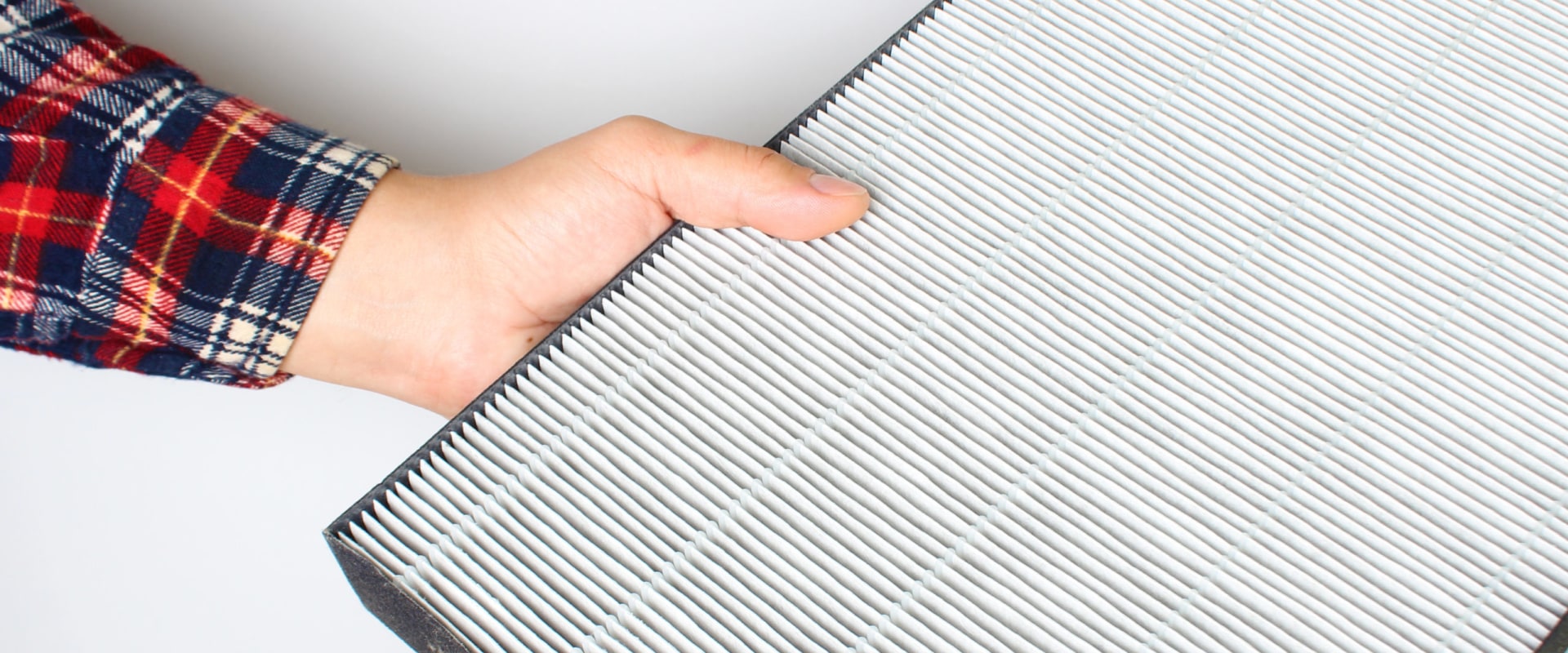
High-quality air filters are essential components of any HVAC system, designed to enhance indoor air quality by effectively trapping a wide range of airborne particles. Unlike standard filters, which may only capture larger debris, high-quality filters utilize advanced materials and construction techniques to ensure superior filtration performance.One of the primary characteristics that distinguish high-quality air filters is their construction material. Many premium filters are made from synthetic fibers or pleated designs that increase the surface area available for capturing pollutants. This design not only improves filtration efficiency but also allows for better airflow, reducing strain on your HVAC system.When searching for furnace filters near me, it’s crucial to understand the different types of air filters available:- Fiberglass Filters: These are the most basic type of air filter, typically inexpensive and effective at capturing larger particles like dust and lint.
However, they do not perform well against smaller allergens.
- Pleated Filters: Made from a folded design that increases surface area, pleated filters can trap smaller particles such as pollen and pet dander. They are more efficient than fiberglass filters and often have a higher MERV rating.
- HEPA Filters: High-Efficiency Particulate Air (HEPA) filters are among the best options for indoor air quality. They can capture 99.97% of particles as small as 0.3 microns, making them ideal for allergy sufferers and those with respiratory issues.
- Electrostatic Filters: These filters use static electricity to attract and trap particles. They can be washable and reusable, making them an eco-friendly option while still providing excellent filtration.
- Activated Carbon Filters: Designed to remove odors and volatile organic compounds (VOCs), these filters contain activated carbon that absorbs harmful gases, enhancing overall air quality.
When considering high-quality air filters, look for those with a higher MERV rating, which indicates their ability to capture smaller particles effectively. Investing in a high-quality filter not only improves your home's air quality but also contributes to the longevity and efficiency of your HVAC system.
The Role of Air Filters in Indoor Air Quality
Air filters play a crucial role in enhancing indoor air quality by effectively trapping a wide range of pollutants and allergens that can compromise the health of occupants. These filters are designed to capture particles such as dust, pollen, pet dander, mold spores, and even smoke, which can significantly affect the air we breathe.One of the primary functions of air filters is to improve the overall cleanliness of indoor air. When air circulates through your HVAC system, it passes through the filter, which acts as a barrier against harmful particles.High-quality filters, particularly those with higher MERV (Minimum Efficiency Reporting Value) ratings, are more efficient at capturing smaller particles. This means that not only larger debris but also microscopic allergens are effectively removed from the air.Moreover, using effective filtration systems can lead to numerous benefits:
- Healthier Living Environment: By reducing the concentration of allergens and pollutants in your home, high-quality air filters contribute to a healthier living space. This is especially important for individuals with respiratory conditions such as asthma or allergies.
- Odor Reduction: Air filters can also help eliminate unpleasant odors caused by smoke, pets, or cooking. By trapping odor-causing particles, they enhance the freshness of indoor air.
- Energy Efficiency: Clean air filters allow your HVAC system to operate more efficiently.
When filters are clogged with dust and debris, the system has to work harder to circulate air, leading to increased energy consumption and higher utility bills.
- Extended Equipment Lifespan: Regularly replacing or cleaning your air filters can prolong the life of your HVAC system. A well-maintained system is less likely to experience breakdowns and costly repairs.
By understanding how these filters function and their significant benefits, homeowners can make informed decisions that enhance their living environments.
Health Benefits of Using High-Quality Air Filters
High-quality air filters play a crucial role in enhancing indoor air quality, which directly impacts health, particularly for individuals with respiratory conditions or allergies. The air we breathe indoors can often be more polluted than outdoor air, making the choice of air filters vital for maintaining a healthy living environment.One of the primary health benefits of using high-quality air filters is their ability to significantly reduce airborne allergens. Common allergens such as pollen , dust mites , and pet dander can trigger allergic reactions and exacerbate asthma symptoms. According to a study published in the Journal of Allergy and Clinical Immunology, homes equipped with high-efficiency particulate air (HEPA) filters showed a marked decrease in allergen levels, leading to improved respiratory health among residents.Moreover, high-quality filters are designed to capture smaller particles that standard filters might miss.This includes fine particulate matter (PM2.5), which can penetrate deep into the lungs and even enter the bloodstream, posing serious health risks. The Environmental Protection Agency (EPA) has linked long-term exposure to PM2.5 with various health issues, including cardiovascular diseases and respiratory disorders.For individuals suffering from chronic respiratory conditions such as asthma or chronic obstructive pulmonary disease (COPD), the benefits of using superior air filters are even more pronounced. A study conducted by the American Thoracic Society found that patients using high-quality air filtration systems experienced fewer asthma attacks and improved lung function compared to those relying on standard filters.In addition to reducing allergens and harmful particles, high-quality air filters can also help eliminate odors and volatile organic compounds (VOCs) commonly found in household products. These compounds can contribute to headaches, dizziness, and long-term health issues.
By filtering out these harmful substances, high-quality air filters create a more pleasant and healthier indoor environment.In summary, investing in high-quality air filters not only enhances indoor air quality but also provides significant health benefits, particularly for those with allergies or respiratory issues. By effectively trapping allergens, pollutants, and harmful particles, these filters contribute to a healthier home environment, ultimately leading to improved well-being for all occupants.
Cost Efficiency: Long-Term Savings with Quality Filters
Investing in high-quality air filters is not just a matter of improving indoor air quality; it also plays a crucial role in enhancing the cost efficiency of your HVAC system. By choosing superior filters, homeowners can experience significant long-term savings on energy bills and maintenance costs.One of the primary benefits of high-quality filters is their ability to improve energy efficiency. When your HVAC system operates with a clogged or low-quality filter, it has to work harder to circulate air throughout your home.This increased workload leads to higher energy consumption, which is reflected in your monthly utility bills. In contrast, high-quality filters allow for better airflow, reducing the strain on your system and ultimately lowering energy costs. According to the U. S.
Department of Energy, replacing a dirty filter can reduce your energy consumption by 5% to 15%.Moreover, the longevity of your HVAC system is directly linked to the type of filters you use. High-quality filters are designed to capture a wider range of particles, including dust, pollen, and other allergens, which can accumulate in your system over time. By preventing these particles from entering the HVAC unit, you not only maintain cleaner air but also reduce wear and tear on the system components. This can lead to fewer breakdowns and repairs, extending the lifespan of your HVAC system significantly.To illustrate this point further, consider that regular maintenance and repairs can cost homeowners hundreds of dollars annually.
By investing in high-quality filters that require less frequent replacement and provide better protection for your HVAC system, you can save on these costs over time. For instance, while a standard filter may need changing every month, a premium filter could last up to three months or longer without compromising performance.In summary, the initial investment in high-quality air filters pays off through reduced energy bills and lower maintenance costs for your HVAC system. By prioritizing quality over price when searching for furnace filters near me, you are not only ensuring better air quality but also making a smart financial decision that benefits both your home and your wallet.
Choosing the Right Air Filter for Your Home
When it comes to maintaining a healthy indoor environment, selecting the right air filter is crucial. With various options available, understanding how to choose air filters that best suit your home can significantly enhance your indoor air quality.One of the most important factors to consider is the MERV rating , which stands for Minimum Efficiency Reporting Value. This rating system helps you gauge how effectively a filter can capture airborne particles.
MERV ratings
range from 1 to 16, with higher numbers indicating better filtration capabilities. For instance:
- MERV 1-4: These filters are basic and primarily capture larger particles like dust and lint.
- MERV 5-8: These filters can trap smaller particles, including mold spores and pet dander, making them suitable for homes with pets or allergies.
- MERV 9-12: Filters in this range are effective at capturing even finer particles, such as smoke and smog.
- MERV 13-16: These high-efficiency filters can trap bacteria and viruses, making them ideal for households with vulnerable individuals.
However, it’s essential to ensure that your HVAC system can handle the increased airflow resistance that comes with higher-rated filters. Always consult your system’s specifications or a professional if you’re unsure.Another aspect to consider is the type of filter material. High-quality filters are often made from pleated materials that provide greater surface area for trapping particles while allowing for better airflow. This not only improves air quality but also enhances the efficiency of your heating and cooling systems.To find furnace filters near me, start by checking local home improvement stores or HVAC supply shops.
Many retailers offer a variety of options, including those with different MERV ratings and materials. Additionally, online retailers often provide convenient delivery options and subscription services that ensure you never run out of filters.In summary, selecting the right air filter involves understanding MERV ratings, considering your household's specific needs, and exploring local suppliers for the best options available. By investing time in this decision, you can significantly improve your indoor air quality and create a healthier living environment for you and your family.
Maintaining Your Air Filters: Best Practices
Maintaining your air filters is essential for ensuring that your indoor air quality remains at its best. Regular upkeep not only enhances the performance of your HVAC system but also contributes to a healthier living environment.Here are some best practices to follow when it comes to air filter maintenance.
When to Change Air Filters
One of the most critical aspects of air filter maintenance is knowing when to change them. Generally, it is recommended to replace your air filters every 1 to 3 months, depending on several factors:- Type of Filter: High-quality filters may last longer than standard ones. For instance, HEPA filters can often go up to 6 months before needing replacement.
- Usage: If you run your HVAC system frequently, you may need to change your filters more often.
- Allergies and Pets: Households with pets or individuals with allergies may require more frequent changes due to increased dander and allergens.
Signs of Dirty Filters
Recognizing the signs that indicate your air filters need replacement is crucial for maintaining optimal air quality. Here are some common indicators:- Reduced Airflow: If you notice that the airflow from your vents has diminished, it could be a sign that your filter is clogged and needs changing.
- Visible Dust Accumulation: A layer of dust on the filter itself or around the vents can indicate that the filter is no longer effective.
- Unpleasant Odors: If you detect musty or stale smells coming from your HVAC system, it may be time to replace the filter.
- Increased Energy Bills: A sudden spike in your energy costs can be attributed to a dirty filter forcing your HVAC system to work harder.
This not only improves indoor air quality but also extends the lifespan of your HVAC system, ultimately saving you money in the long run.
Common Misconceptions About Air Filters
When it comes to air filters, there are numerous misconceptions that can lead to confusion and poor decision-making. Understanding these myths is crucial for anyone looking to improve their indoor air quality. Here, we address some of the most common misconceptions surrounding air filters.- All Air Filters Are the Same : One of the biggest myths is that all air filters perform equally. In reality, filters vary significantly in terms of materials, construction, and efficiency.
High-quality filters are designed to capture a wider range of particles, including allergens and pollutants, while cheaper options may only trap larger debris.
- Higher MERV Ratings Are Always Better : While a higher MERV (Minimum Efficiency Reporting Value) rating indicates better filtration, it’s not always the best choice for every HVAC system. Some systems may not be equipped to handle high-MERV filters, which can restrict airflow and lead to increased energy costs or even damage to the system.
- Changing Filters Less Frequently Saves Money : Many homeowners believe that extending the time between filter changes will save money. However, a clogged filter can reduce HVAC efficiency, leading to higher energy bills and potential repairs. Regularly changing your filter is essential for maintaining optimal performance.
- Air Purifiers Eliminate the Need for Filters : While air purifiers can enhance indoor air quality, they do not replace the need for HVAC filters.
Air purifiers work best in conjunction with high-quality furnace filters, as they target different types of pollutants and work together to create a healthier environment.
- Filters Only Capture Dust and Pollen : Many people think that air filters are only effective against dust and pollen. In fact, high-quality filters can also capture smoke particles, pet dander, mold spores, and even certain bacteria and viruses, making them essential for those with allergies or respiratory issues.
Conclusion: The Importance of Investing in High-Quality Air Filters
In conclusion, the significance of investing in high-quality air filters cannot be overstated. As we have explored throughout this article, the benefits extend far beyond mere convenience; they encompass health, efficiency, and long-term savings.By choosing superior air filters, you are not only enhancing the indoor air quality of your home but also safeguarding the well-being of your family.High-quality air filters are designed to effectively capture a wide range of airborne pollutants, including dust, pollen, pet dander, and even smoke particles. This is particularly crucial for individuals with respiratory conditions or allergies, as cleaner air can lead to fewer health issues and improved overall comfort. The investment in a better filter translates to a healthier living environment, which is invaluable.Moreover, using high-quality filters can lead to significant cost savings over time. When your HVAC system operates with a clean filter, it runs more efficiently, consuming less energy and reducing your utility bills.
This efficiency not only benefits your wallet but also extends the lifespan of your heating and cooling systems, minimizing the need for costly repairs or replacements.Regular maintenance is another critical aspect of maintaining good indoor air quality. By changing your filters as recommended—especially during periods of poor air quality—you ensure that your home remains a safe haven. The indicators for when to replace filters are straightforward; keeping an eye on visible dust accumulation or reduced airflow can help you stay proactive.Ultimately, when searching for furnace filters near me, prioritize quality over price. The long-term benefits of investing in high-quality air filters far outweigh the initial costs.
Not only will you enjoy cleaner air and lower energy bills, but you will also contribute positively to your family's health and comfort.In summary, making the switch to high-quality air filters is a decision that pays dividends in multiple ways. It’s an investment in your home’s air quality and your family’s health that you won’t regret.